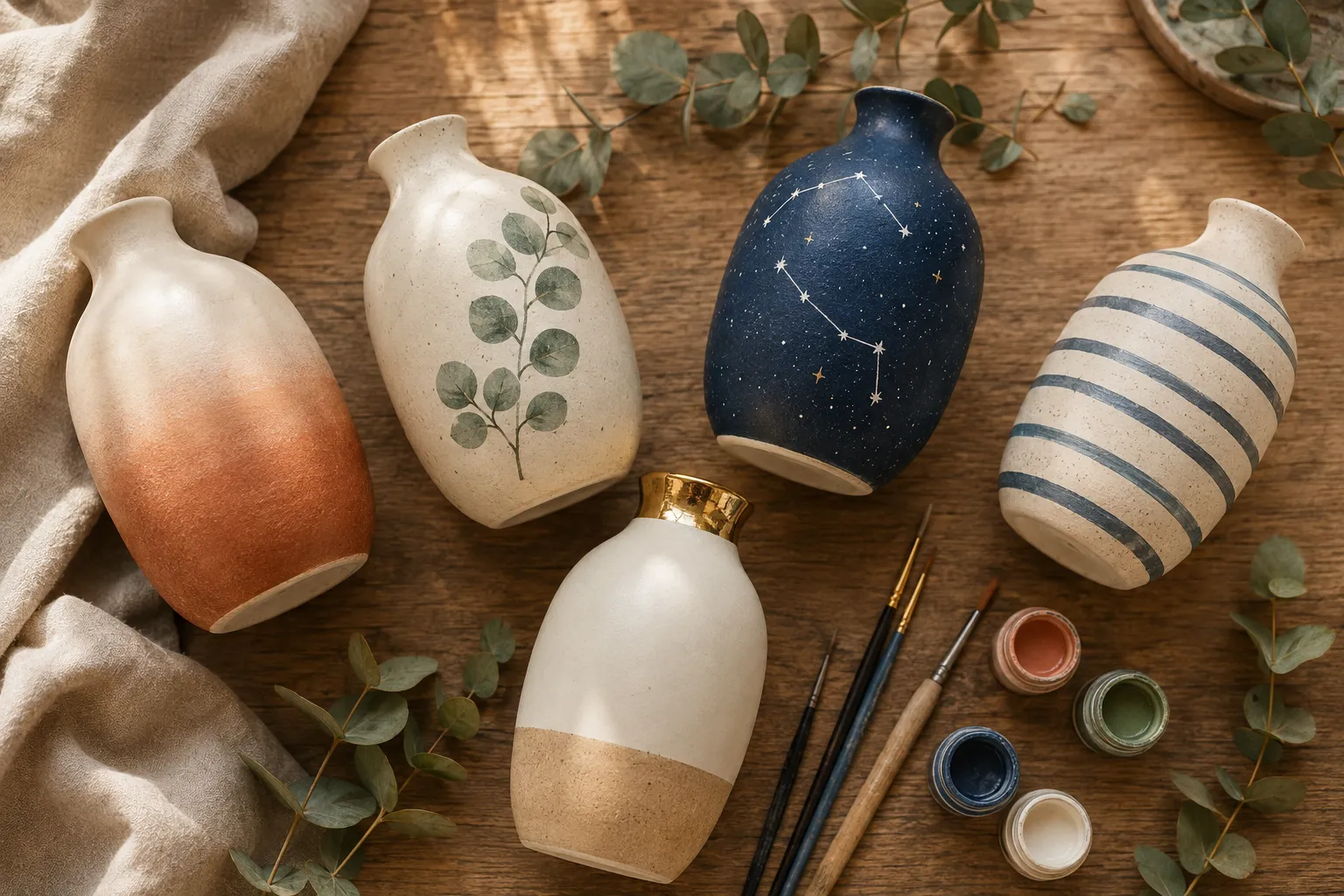
24 Pottery Painting Ideas for Vases You’ll Want to Try
A plain vase is basically a blank canvas standing right there on your shelf, waiting for something to happen to it.
You don’t need an art degree or a steady hand to turn one into something worth displaying. A little paint, a bit of tape, and one afternoon can take a thrifted or leftover vase from forgettable to genuinely eye-catching and more Pottery Painting Ideas for Vases
This list runs from quick beginner techniques you can finish in under an hour, all the way up to more detailed designs for when you’re ready to slow down and get a little more intricate. Every idea here is built specifically with a vase’s tall, curved shape in mind, not just repurposed from a flat plate or bowl design.
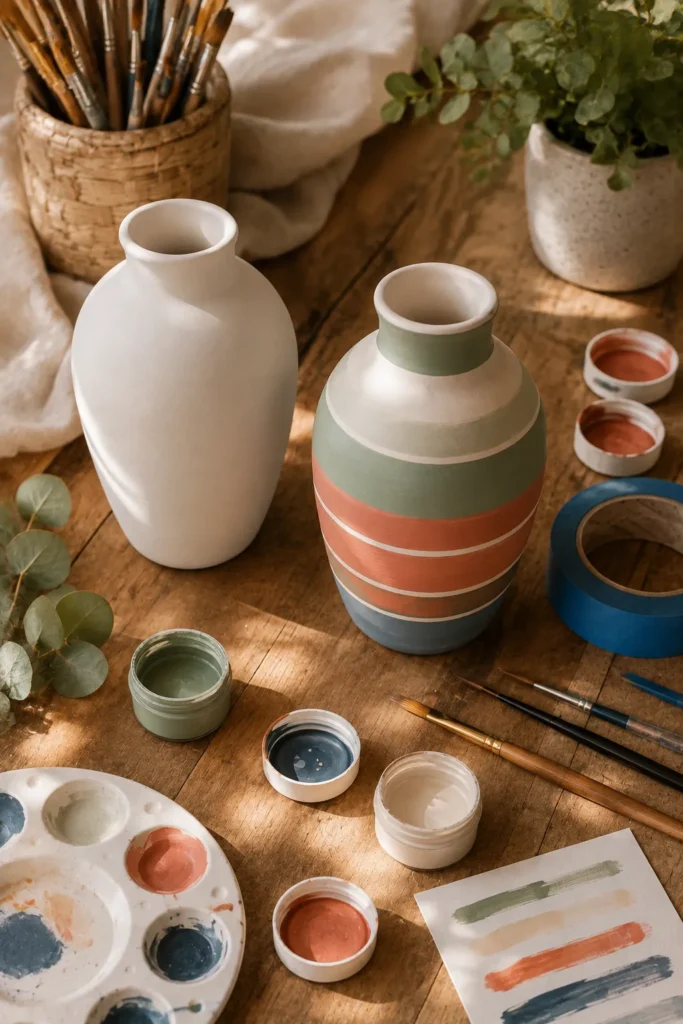
Before You Start: Vase Materials and Paint Basics
Before you pick a design, it helps to know what you’re actually painting on, since it changes what supplies you’ll need.
Ceramic Vase vs. Glass Vase — Why the Paint You Use Is Different
Ceramic and terracotta vases behave a lot like bowls and mugs — regular ceramic acrylic paint adheres well, and if the vase is unglazed bisqueware, paint pens and underglaze work beautifully too.
Glass vases are a different story. Standard acrylic paint can chip or peel off glass over time because the surface is too smooth for it to grip. Look for paint labeled specifically for glass, or a multi-surface acrylic that lists glass on the label, and always work on a clean, oil-free surface for the best adhesion.
Knowing which type of vase you’re working with before you buy paint saves you from a design that looks great on day one and flakes off by week two.
Will It Hold Water? A Quick Note on Sealing and Durability
If you’re painting a vase you plan to actually fill with water and fresh flowers, paint the outside only and keep the inside untouched, since standing water can soften paint and cause it to lift over time.
For vases you want to use with real water regularly, a clear waterproof sealant made for the surface type (glass or ceramic) adds a protective layer over your design. If you’d rather skip that step, treat the vase as a display piece for dried or faux stems instead — it’s the simplest way to guarantee your paint job lasts.
24 Pottery Painting Ideas for Vases You’ll Want to Try
These ideas move from the easiest beginner techniques, through pattern and geometric designs, into nature-inspired looks, color-driven textures, whimsical touches, and a few elegant, gift-worthy finishes.
1. Simple Stripe Wrap Vase
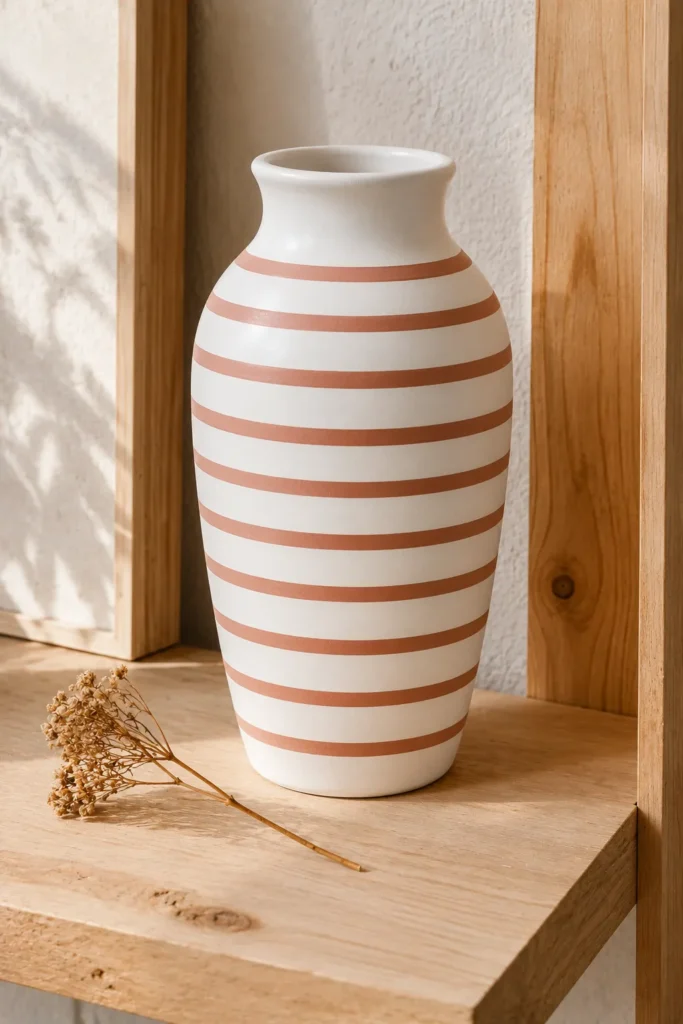
This is one of the fastest ways to transform a plain vase. Wrap painter’s tape around the vase at evenly spaced intervals, paint the exposed bands, and peel the tape away once dry.
Keep the stripes horizontal for a classic look, or angle the tape slightly for something a bit more playful. Even a single stripe near the rim can make a plain vase look intentional.
2. Dip-Dyed Half-and-Half Vase
Mask off the bottom half of the vase with tape and paint it a solid, saturated color, leaving the top half untouched. The clean horizontal line where the color stops creates a modern, dip-dyed look without any actual dipping involved.
This design works especially well on tall, cylindrical vases, where the contrast between painted and bare sections has room to breathe.
3. Polka Dot Scatter Vase
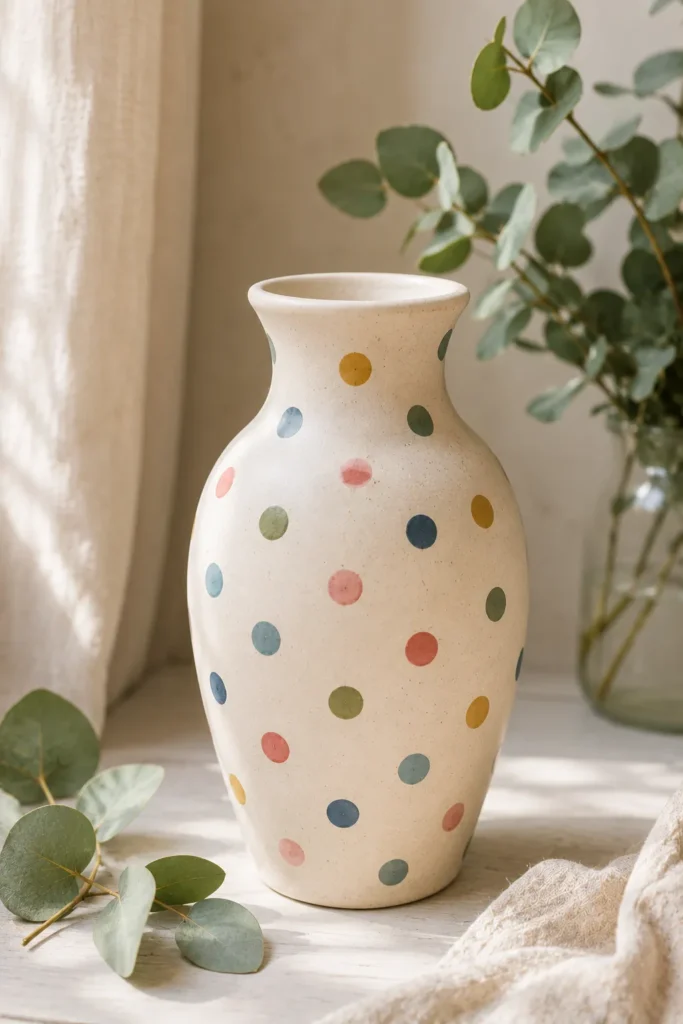
Dip the end of a paintbrush or a pencil eraser into paint and stamp dots across the vase’s surface. Vary the spacing slightly so it feels scattered rather than gridded.
This is a genuinely forgiving design since perfectly even dots aren’t the goal — a little randomness is what makes it look charming rather than mechanical.
4. Checkerboard Band Vase
Rather than covering the whole vase, mask off a single horizontal band and fill it with a small checkerboard pattern using tape to keep each square crisp. Leave the rest of the vase in its natural color or a single solid shade.
Containing the pattern to one band keeps this graphic design from feeling too busy on a curved surface.
5. Herringbone Pattern Vase

Related: 25 Pottery Painting Ideas for Bowls You’ll Want to Recreate
Paint short diagonal lines in a repeating V-shape around the vase to build a herringbone texture, using tape to keep each row straight and evenly spaced. This pattern reads best in a single bold color against a plain background.
Because the lines are short and repetitive, this design is more about patience than skill — steady, small strokes are all it takes.
6. Chevron Zigzag Vase
Mask off a zigzag band using tape angled in alternating directions, then paint the exposed triangles in a contrasting color. Once the tape comes off, you’re left with a crisp, graphic chevron pattern.
This works particularly well as a single accent band near the top or bottom of the vase rather than covering the entire surface.
7. Botanical Leaf Silhouette Vase
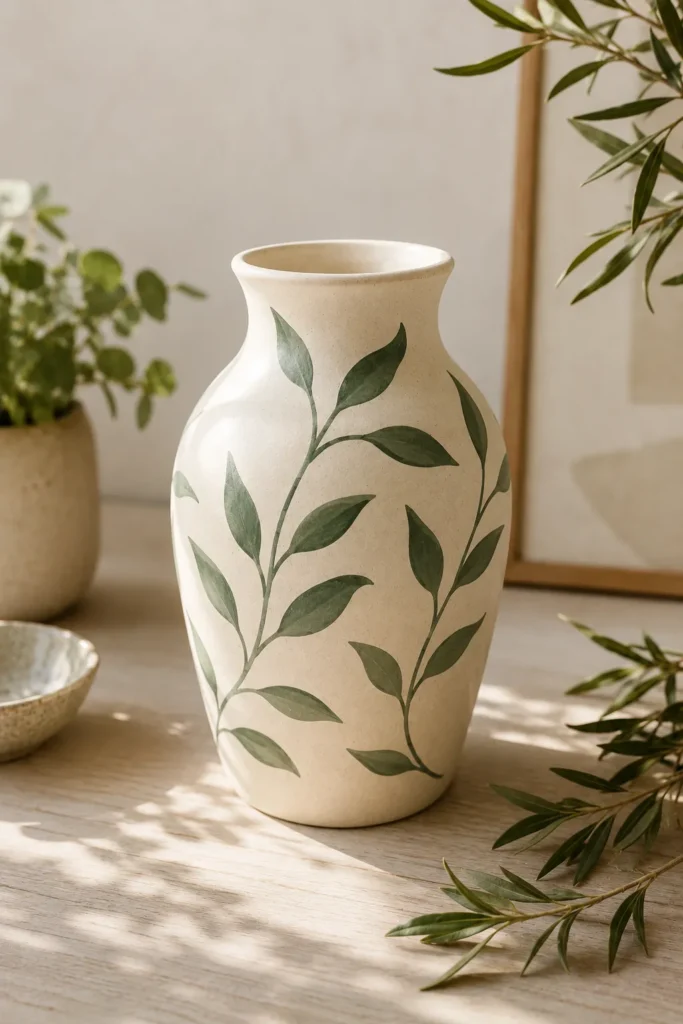
Paint simple leaf shapes in a solid color scattered around the vase, or connect them loosely along a single vine line. Rounded eucalyptus-style leaves or long, narrow fern shapes both translate well into flat silhouettes.
Because each leaf is just one solid shape, this design comes together quickly while still looking deliberate and refined.
8. Wildflower Trail Vase
Using a fine brush, dot small five-petal flowers in a loose, meandering trail up or around the vase, mixing in a couple of different colors so it reads as a real wildflower mix. Thin green stems connecting a few blooms add extra realism.
Keep the flowers slightly imperfect and unevenly spaced — a real wildflower patch was never meant to look uniform, and that’s exactly what makes this design feel natural.
9. Eucalyptus Branch Vase
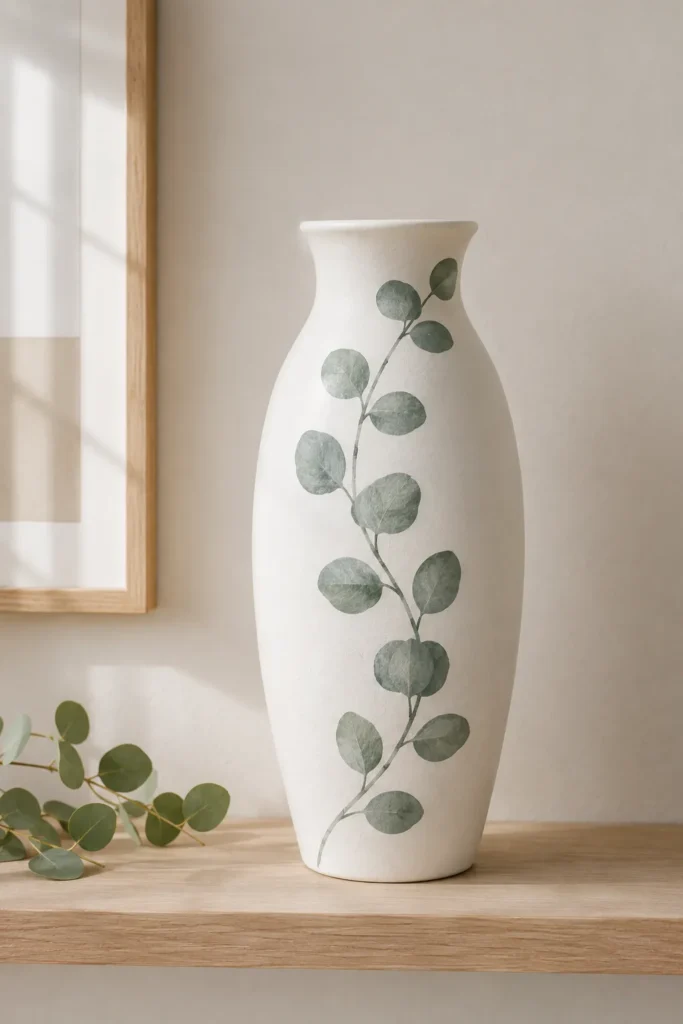
Paint a single continuous branch running up the side of the vase, with small rounded eucalyptus leaves branching off at intervals. A soft sage or muted green keeps the look calm and true to the plant’s natural coloring.
This design has become a favorite for modern, neutral-toned home decor, and it pairs beautifully with a plain white or cream vase base.
10. Cherry Blossom Vase
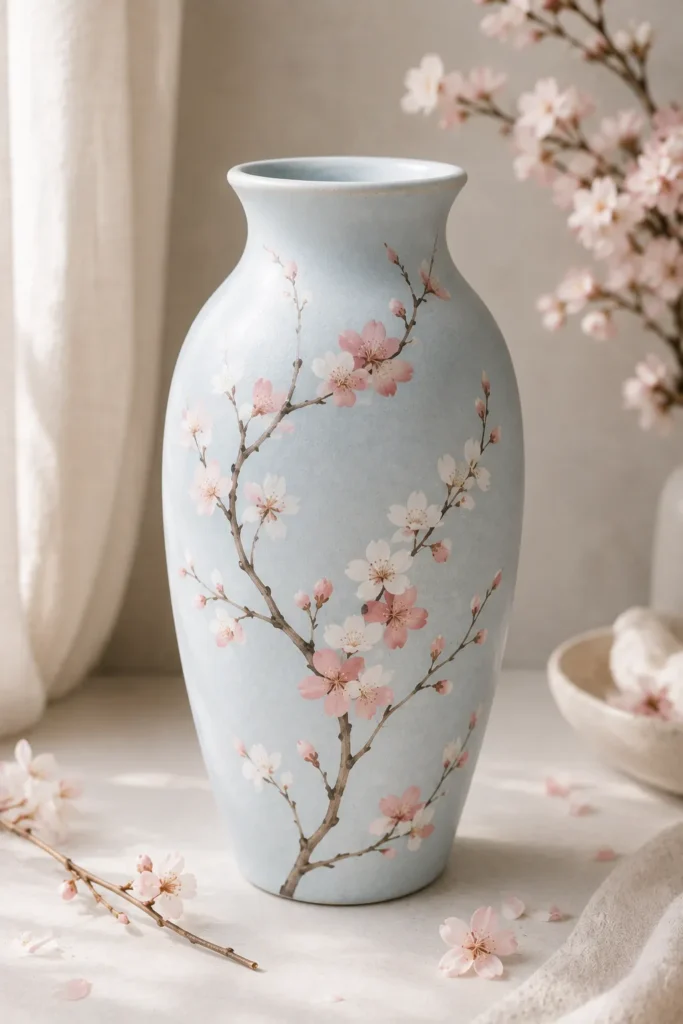
Paint a thin, dark branch winding up the vase, then add small soft pink and white blossoms along its length using a dotting tool or the tip of a round brush. A few loose petals scattered near the base finish the look.
This design brings a delicate, seasonal-feeling touch to a vase without actually being tied to any one time of year, which keeps it evergreen on a shelf year-round.
11. Ombre Gradient Vase
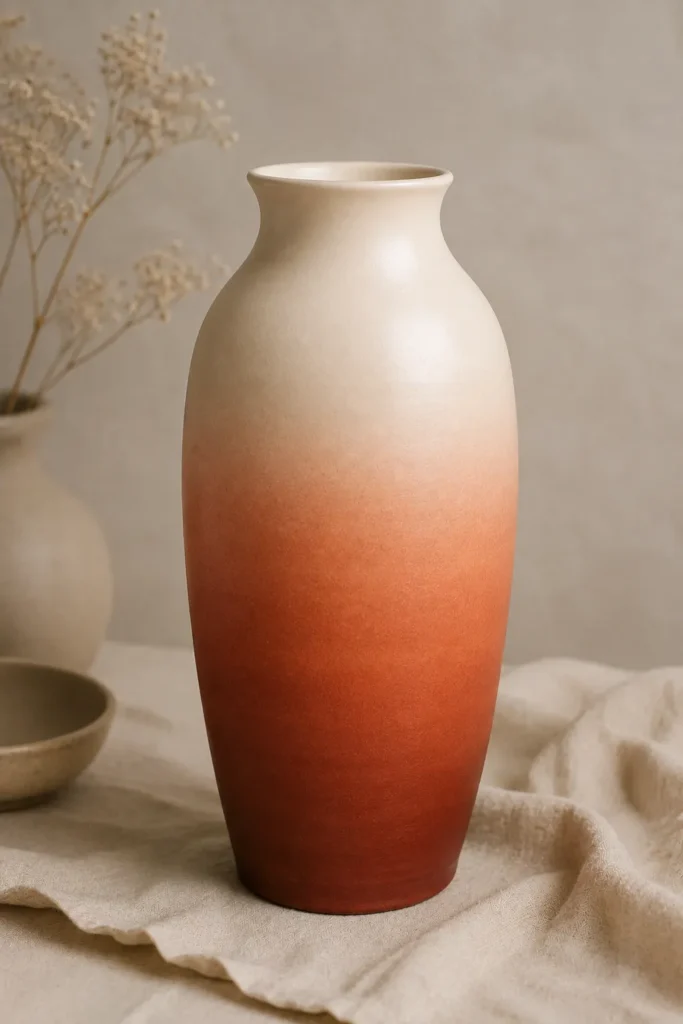
Blend your paint from a deep, saturated color at the base to a much lighter shade near the rim, thinning the paint with a little water as you move upward. Blend each transition while the paint is still workable so the color shifts smoothly rather than banding.
A vase’s height makes it a particularly good canvas for this technique, since there’s more room for the gradient to unfold than on a shorter piece like a bowl or mug.
12. Watercolor Wash Vase
For a soft, artistic look, thin your paint significantly and apply it in loose, overlapping washes rather than solid coverage, letting colors bleed into each other slightly. Soft edges and uneven color are part of the look here, not something to fix.
This design has a dreamy, artistic quality and tends to look different every time, even if you’re following the same basic technique.
13. Speckled Stone Texture Vase
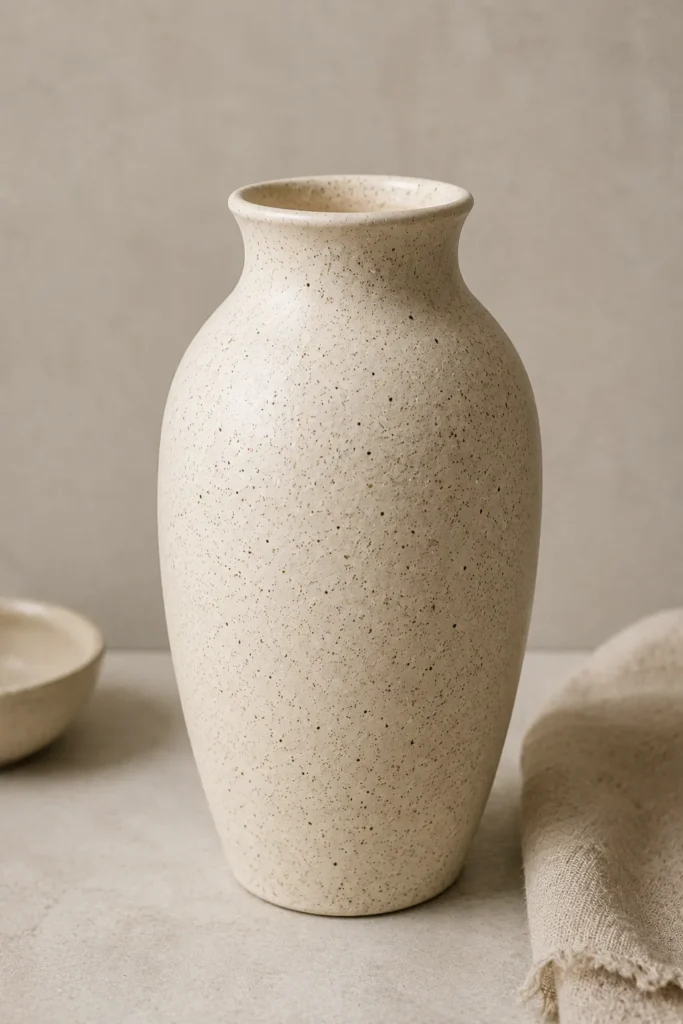
Mix a little baking soda into your paint for texture, then flick a contrasting color across the surface using an old toothbrush for a natural, stone-like speckle effect. Layer two or three colors for more depth.
This texture works especially well on vases meant for a minimalist or rustic display, since it mimics the look of natural, unpolished stone.
14. Marbled Swirl Vase
Swirl two or three paint colors together directly on the vase’s surface using a toothpick, blending them just enough to create a marbled pattern without fully mixing. Work in small sections so the paint doesn’t dry before you can swirl it.
No two marbled vases turn out exactly alike, which is part of what makes this technique feel special every time you try it.
15. Drippy Paint Rim Vase
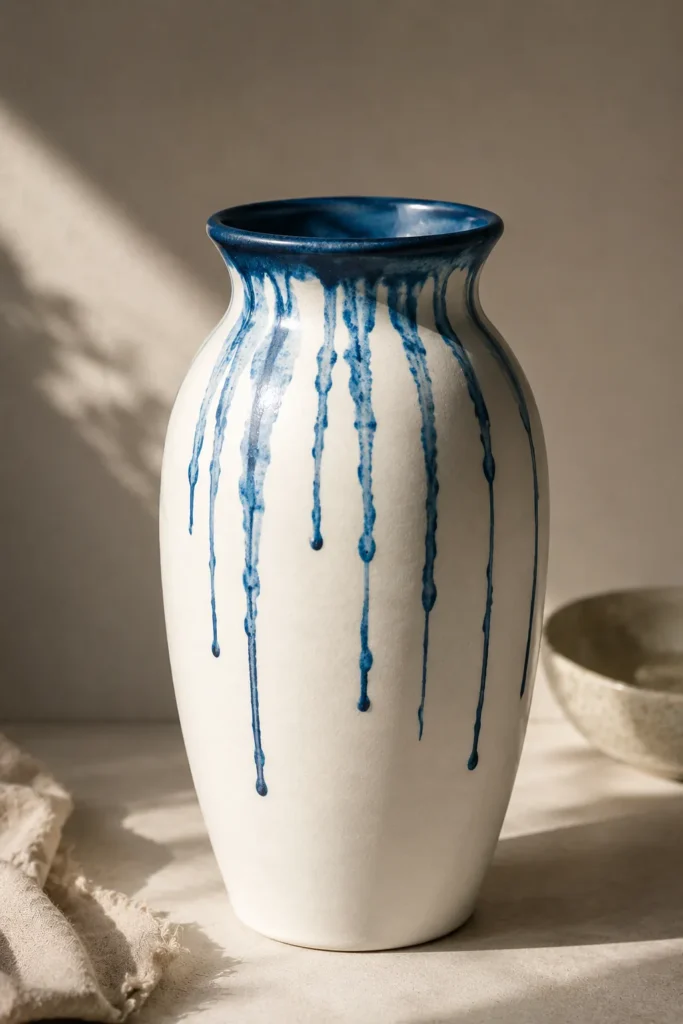
Apply a thicker layer of thinned paint along the rim and let it drip naturally down the sides of the vase. Contrasting colors make the drips stand out more dramatically against the base coat.
Because every drip forms its own unique path, this design turns a simple technique into something that looks genuinely artistic without requiring careful planning.
16. Splattered Paint Vase
Load a brush with thinned paint and flick it across the vase’s surface for a lively, energetic splatter effect. Use a single color for a subtle texture, or layer a few for a bolder, more colorful finish.
This is one of the quickest designs on the list and works well as a textured base layer that other simple accents, like a painted stripe, can sit on top of.
17. Constellation Night Sky Vase
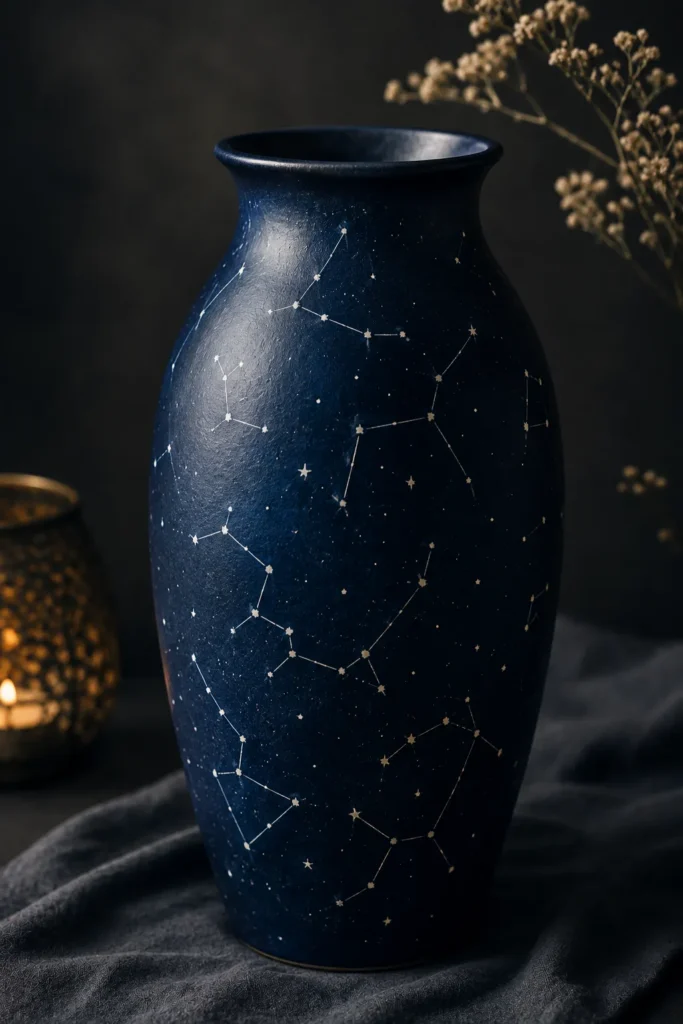
Paint the vase a deep navy or black base color, then add small white dots connected by thin lines to form simple star constellations. A few larger dots with a soft white halo around them mimic brighter stars.
This design has a quiet, dreamy feel and makes a genuinely thoughtful gift for anyone who loves stargazing or astronomy.
18. Ocean Wave Vase
Layer a few shades of blue in flowing horizontal bands around the vase, then add thin white lines along the top edge of each band to mimic sea foam. Let the bands overlap slightly rather than staying perfectly separated for a more natural water effect.
This design brings a calming, coastal feel to a room and works whether you keep the tones soft and pale or go bold with deep ocean blues.
19. Sunset Gradient Vase
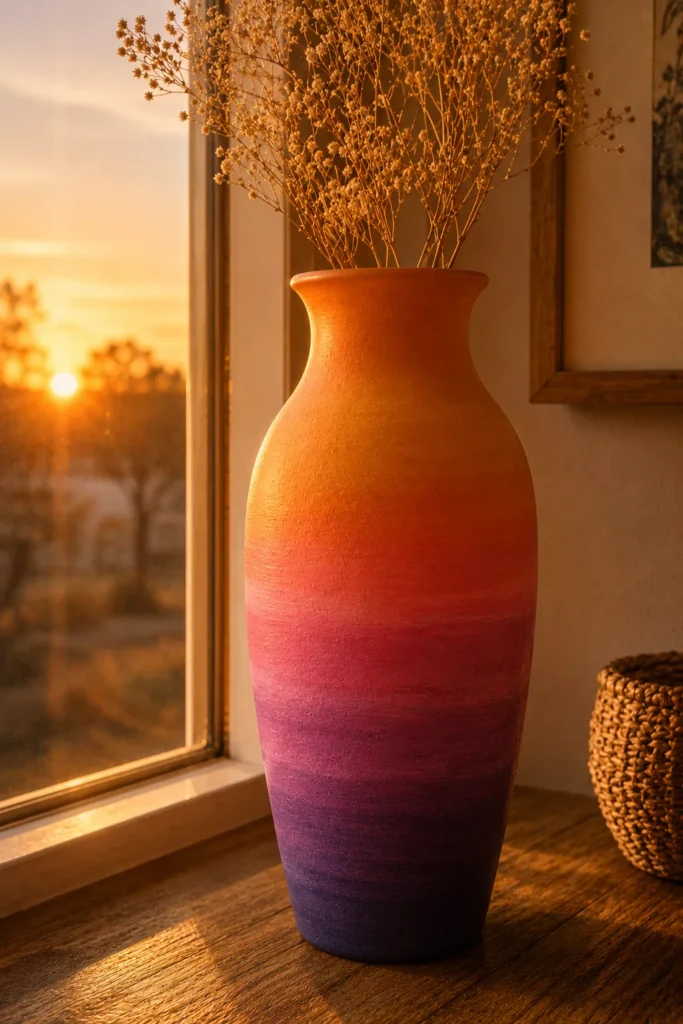
Blend warm oranges, pinks, and purples in horizontal bands moving up the vase, similar to the ombre technique but using multiple colors instead of a single one. Soften each transition while the paint is still workable.
This design brings genuine warmth to a piece and looks especially striking when displayed somewhere it catches natural afternoon light.
20. Abstract Squiggle Line Vase
Paint loose, free-flowing squiggle lines around the vase in one or two colors, varying the thickness of your brushstrokes as you go. There’s no pattern to match here and no symmetry to maintain, which makes this one of the most relaxing designs to paint.
It’s a great option when you want a modern, artistic look without any real planning involved.
21. Color-Block Vase
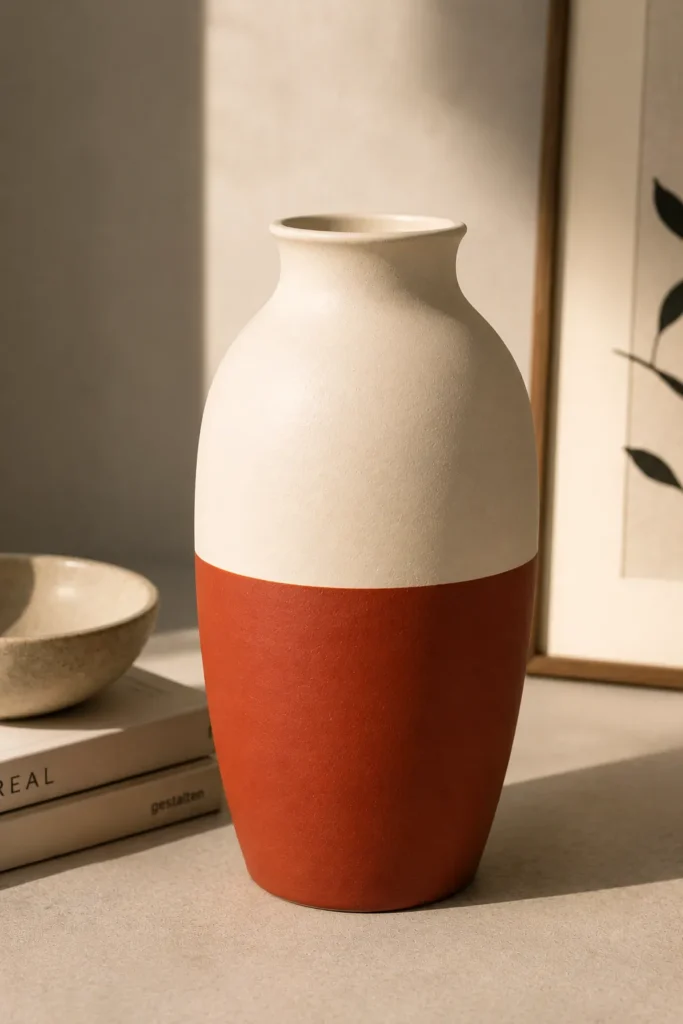
Divide the vase into two or three clean sections and paint each one a different solid color, masking the dividing lines with tape for crisp edges. Try a top-and-bottom split, or an angled diagonal line for something a little less expected.
This design is bold and genuinely quick to execute, making it a strong choice when you want a striking result without much detail work.
22. Metallic Accent Vase
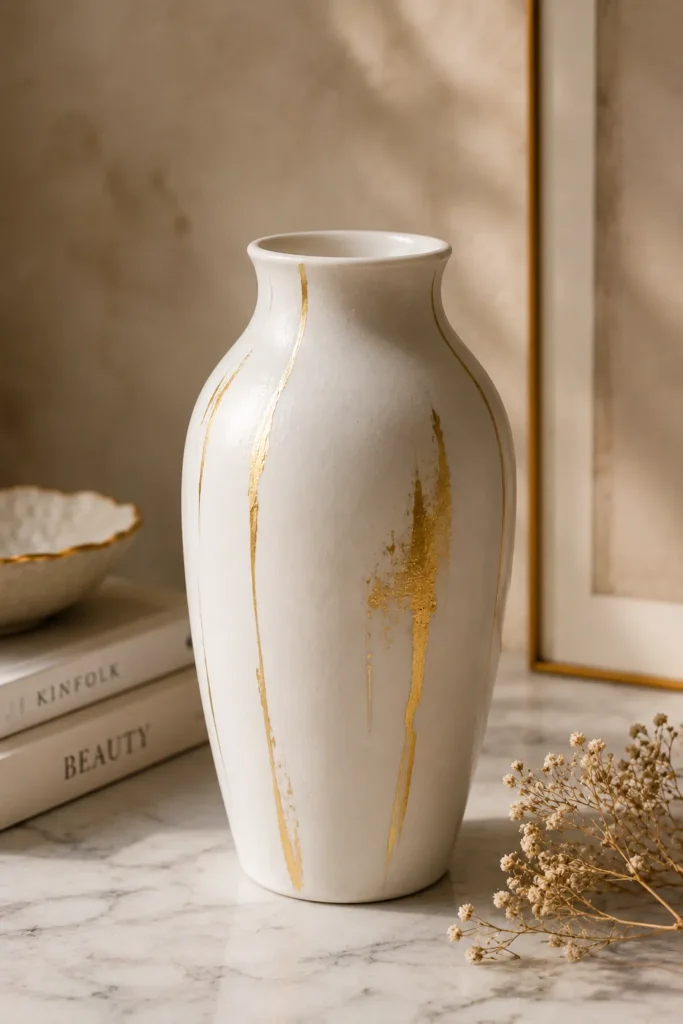
Add gold, silver, or copper paint as thin accent strokes, a painted rim, or a scattering of small metallic dots over a solid base color. Apply the metallic layer last, once the base design is fully dry.
Even a small amount of metallic detail instantly makes a simple vase feel a little more polished and special.
23. Personalized Name or Quote Vase

Paint a name, date, or short meaningful phrase around the vase using a paint pen or fine brush for the cleanest lettering. Keep the wording short, since long sentences tend to get lost on a curved surface.
This is one of the easiest ways to turn a plain vase into a genuine keepsake, whether it’s for yourself or as a gift.
24. Memory Date Vase for Special Occasions
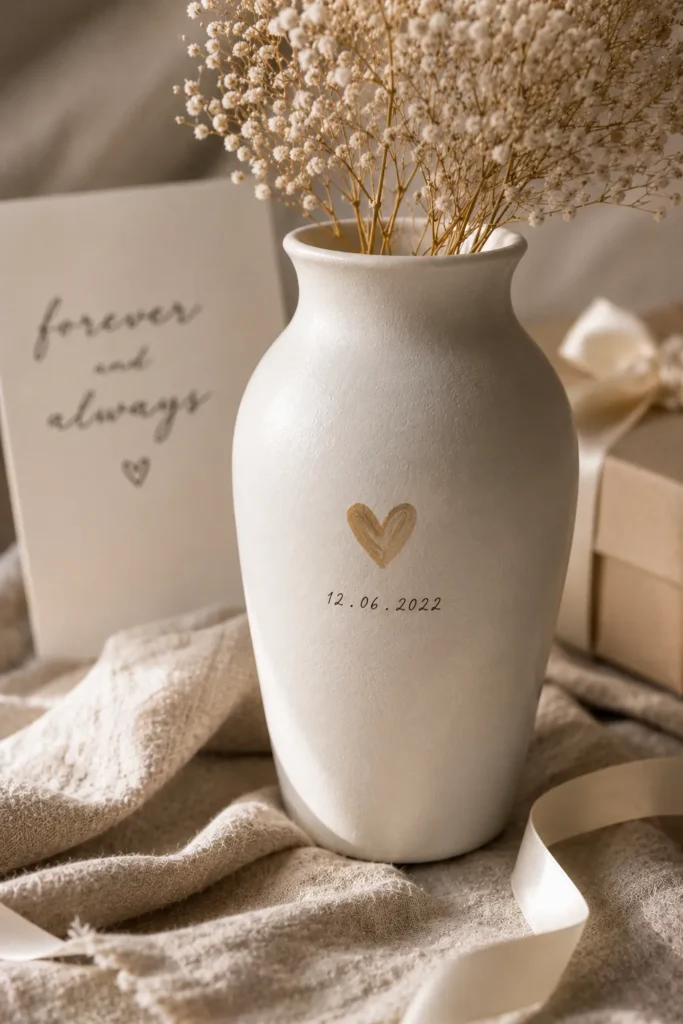
Similar to the personalized vase above, but built specifically around a milestone — a wedding date, a housewarming address, or the date of a special gathering. Pair the date with a small motif, like a simple heart or house silhouette, to tie the design together.
This makes a genuinely memorable handmade gift for weddings, anniversaries, or new homeowners, and it’s a design people tend to keep on display for years.
Tips for Protecting and Caring for a Painted Vase
Related: Pottery Painting: The Complete Guide to Getting Started
Sealing Your Design for Long-Term Durability
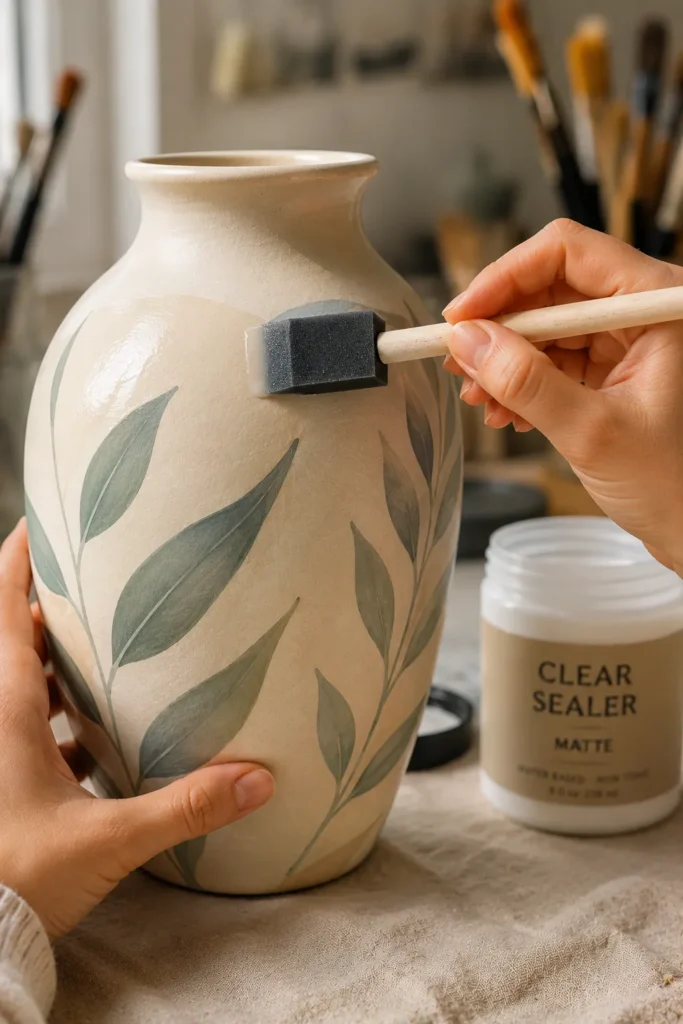
Once your paint is completely dry, a clear sealant made for the surface type — glass or ceramic — adds a protective layer that helps your design resist scuffing, fading, and moisture damage over time. Apply it in thin, even coats rather than one thick layer to avoid drips or cloudiness.
If the vase will only ever hold dried or faux flowers, sealing is optional but still adds a nice protective sheen. If it’s going to see regular use with fresh flowers and water, sealing the exterior is genuinely worth the extra step to keep your design looking good for the long haul.
Frequently Asked Questions
What kind of paint works best for painting a vase?
Ceramic acrylic paint or paint pens work well for ceramic and terracotta vases, while glass vases need paint specifically labeled for glass or a multi-surface acrylic that lists glass on the label for proper adhesion.
Can I paint a glass vase the same way as a ceramic one?
Not exactly — glass is smoother and paint tends to chip off it more easily, so glass-specific paint and a clean, oil-free surface are important for a design that actually lasts.
Can a painted vase hold real water and flowers safely?
It can, as long as you paint the outside only and seal the design with a waterproof sealant rated for the surface; otherwise, standing water can soften and lift the paint over time.
Do I need to seal a painted vase?
Sealing isn’t strictly required for a decorative vase holding dried or faux stems, but it’s strongly recommended for any vase that will regularly hold fresh flowers and water.
What’s the easiest vase painting design for beginners?
Simple techniques like a stripe wrap, polka dot scatter, or splattered paint effect are the most forgiving starting points, since they don’t require precise lines or fine detail work.
Can I paint over an old or thrifted vase?
Yes — a light sanding first helps paint adhere better to a previously glazed or glossy surface, and it’s a great way to give a secondhand vase a completely new look.
Final Thoughts
A painted vase is proof that you don’t need a lot of time, skill, or money to make something in your home feel a little more special. Sometimes it really is just a roll of painter’s tape and an hour on a Saturday afternoon.
Pick one idea from this list that matches your current skill level and the vase you already have on hand, whether that’s a five-minute stripe wrap or a slower, more detailed constellation design. Save this list for your next home refresh or gift project, and let your technique grow more detailed as you go.