+19 Creative Classroom Decoration Ideas for Back to School
Walk into a classroom on the first day of school and you can usually tell right away whether the teacher had a plan or just ran out of summer. A well-decorated room doesn’t need to be Pinterest-perfect, but it does set the tone for how students feel walking in every single day.
The tricky part is finding decoration ideas that don’t require a specific cutting machine, a huge budget, or hours of your last free weekend before term starts. Most of what you need can be built with basic craft supplies you probably already have.
This list is organized by area of the classroom — walls, reading corner, desks, door, and community spaces — so you can work through it section by section instead of feeling like you need to redecorate the whole room at once. Nineteen ideas, all doable with everyday materials.
How to Plan Classroom Decorations That Last All Year
Before diving into specific ideas, it’s worth thinking through a couple of things that make the difference between decor that works all year and decor you’re redoing by October.
Balancing bright and calming (avoiding sensory overload)
A classroom covered wall-to-wall in bright colors and patterns can actually work against you, especially for students who are easily overstimulated. Aim for a few strong focal points rather than filling every inch of wall space, and lean on a consistent color palette to tie everything together.
Leaving some intentional blank space isn’t a missed opportunity — it gives the eye somewhere to rest and makes your actual displays stand out more.
Choosing decor that’s easy to update through the year
Decorations that can flex with the seasons or with changing lesson content save you from a full redecorate every few months. A bulletin board with a swappable center piece, or labels you can print again in a new theme, will save you real time later in the year.
Think of your permanent decor as the frame and your rotating pieces as what fills it in — that structure makes updates fast instead of overwhelming.
Bulletin Board & Wall Decoration Ideas
Walls and bulletin boards (or display boards) are usually the biggest visual space in a classroom, so they’re worth planning carefully from the start.
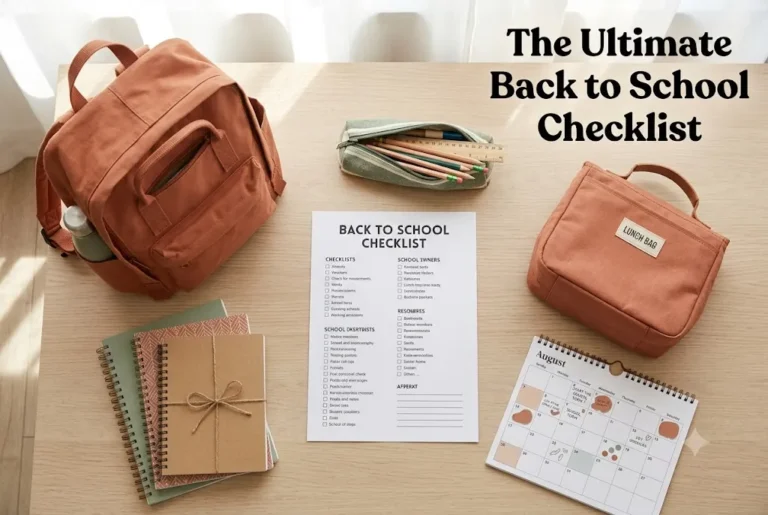
Related : The Ultimate Back to School Checklist: Everything You Need Before Day One
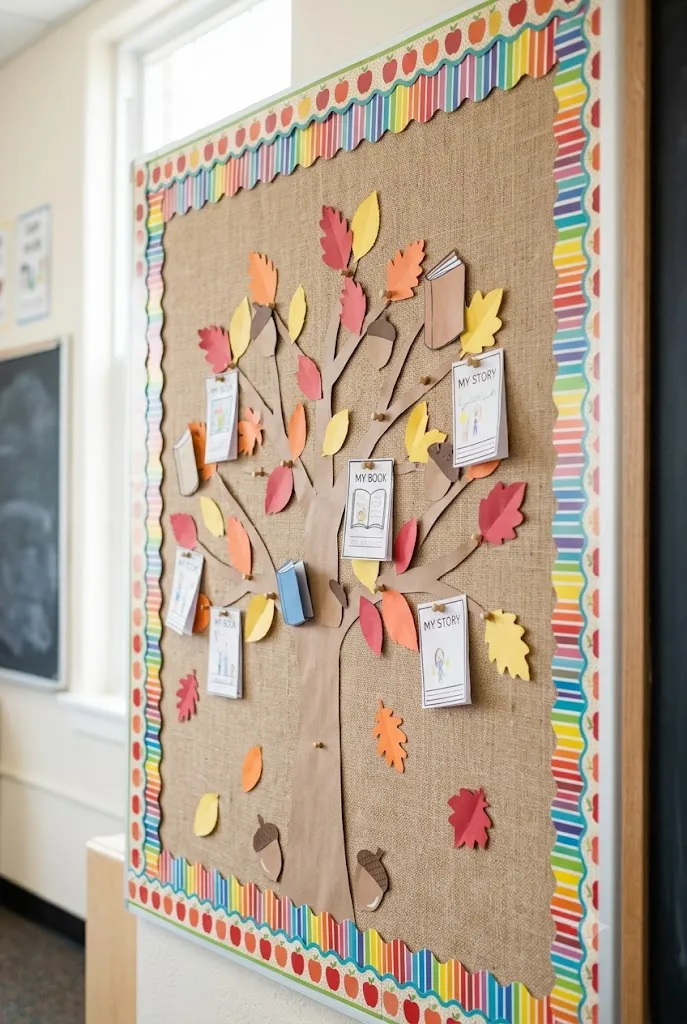
1. Seasonal Rotating Bulletin Board Base
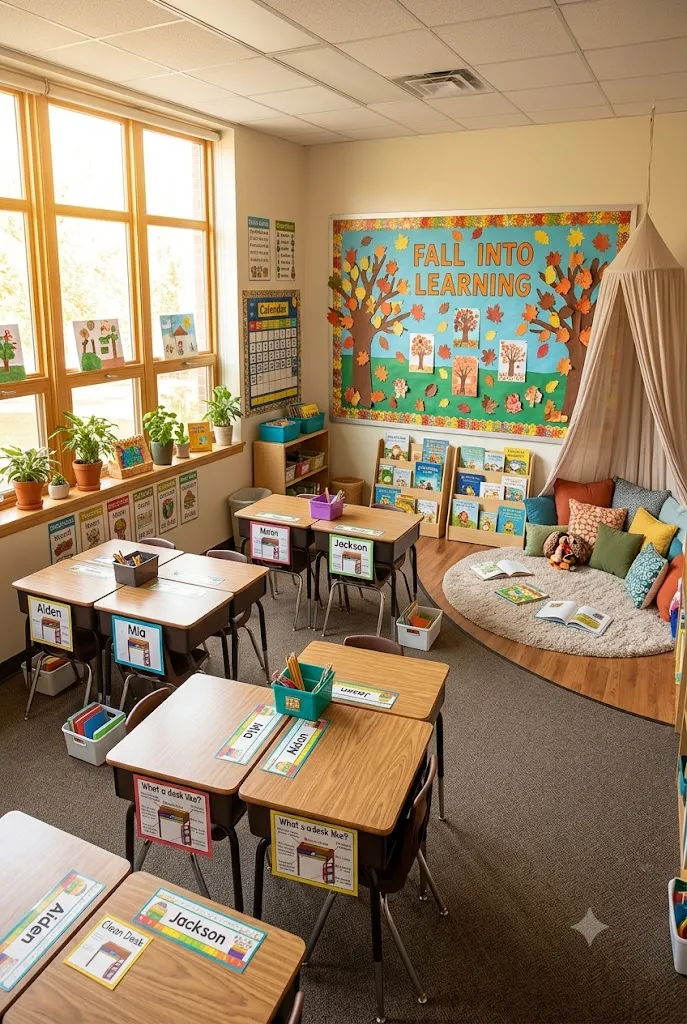
Set up one main bulletin board with a neutral background and border that stays up all year, then swap out just the center content for each season or unit. This saves you from re-stapling an entire board every few weeks and keeps the overall look cohesive no matter what’s currently on display.
Keep a few pre-cut seasonal shapes in a folder so swapping the board takes minutes, not an entire prep period.
2. Growth Mindset Word Wall
A dedicated wall space filled with encouraging phrases like “mistakes help me grow” or “I can’t do this yet” gives students a visual reminder of the classroom’s tone, especially during a tough assignment. Rotate in new phrases throughout the year to keep it feeling fresh rather than becoming background noise.
This wall also doubles as a helpful reference during classroom discussions about effort and resilience.
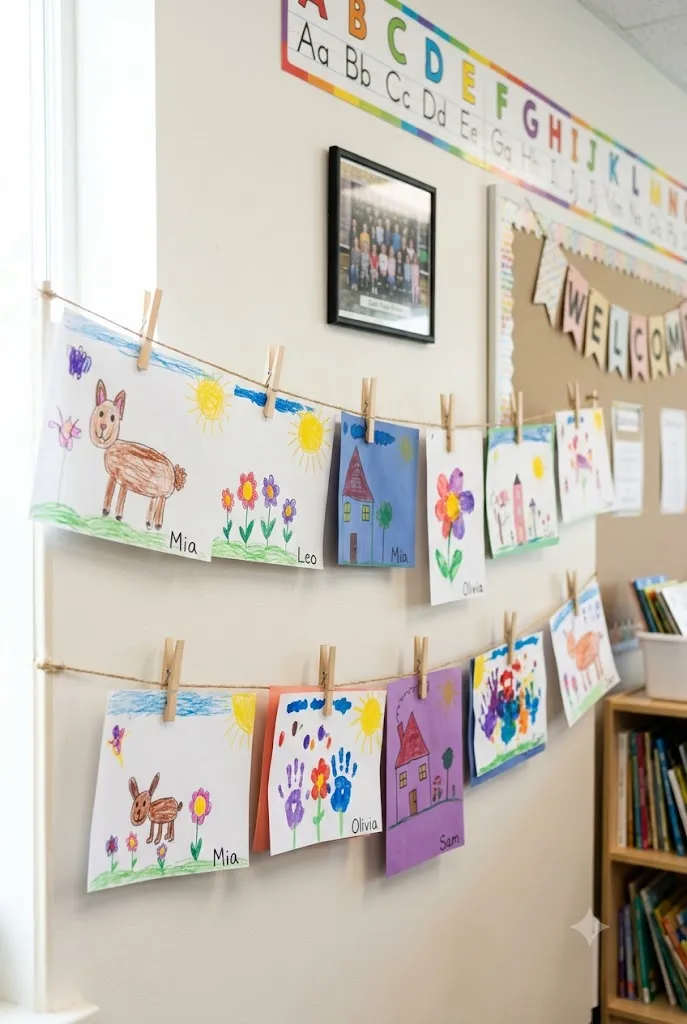
3. Student Work Display Line with Clips
A simple line of twine or ribbon strung across a wall, with clothespins or small clips holding up student work, is one of the easiest ways to celebrate finished projects without needing a full bulletin board. Students can even swap out their own work when they finish something they’re proud of.
This setup is genuinely low-cost and endlessly reusable, since you’re just swapping paper, not replacing any of the display materials.
4. Interactive “Question of the Day” Board
A small dedicated space with a daily or weekly question, where students respond with a sticky note or a moveable marker, adds a bit of interactivity to an otherwise static wall. Simple prompts like “what’s your favorite season and why?” work well for building classroom community early in the year.
This is also a quick way to fill five minutes during transition time without extra prep.
5. Pegboard Wall for Flexible Display
A pegboard mounted on the wall (or in place of a traditional bulletin board) gives you a flexible surface for hanging baskets, hooks, and small displays that can be rearranged as needs change throughout the year. Unlike paper displays, a pegboard doesn’t need to be re-covered each time you want to switch things up.
This is a bigger upfront project, but it pays off in time saved on every future update.
Reading Corner & Cozy Space Ideas
A dedicated reading or cozy corner gives students a space that feels different from the rest of the classroom — softer, quieter, and genuinely inviting.
6. Book Nook with Soft Seating
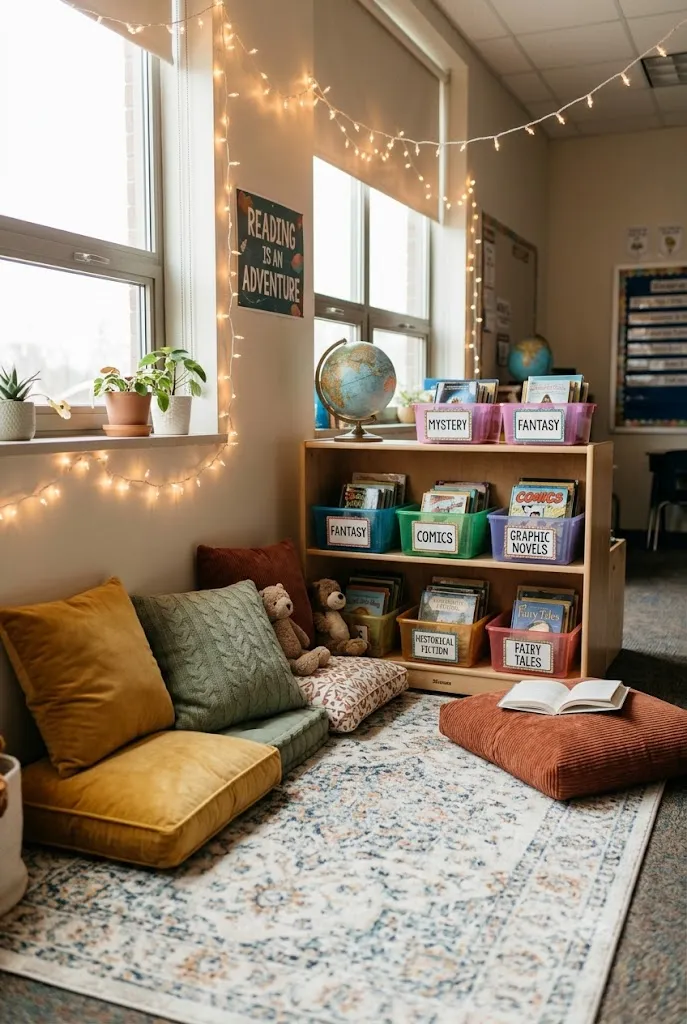
A small area with floor cushions, a bean bag, or a soft rug instantly signals to students that this corner is meant for quiet reading rather than regular classwork. Even a single comfortable chair in an otherwise plain corner can make a noticeable difference in how often students choose to read there.
Keep the footprint small and defined — a rug alone is often enough to mark the boundary of the space.
7. Genre-Labeled Book Bin Display
Sorting classroom books into labeled bins by genre or reading level makes it far easier for students to find something they’ll actually enjoy, rather than digging through one big shared shelf. Clear, front-facing bins work best so book covers are visible rather than hidden spine-out.
This system also makes it much faster for students to return books to the right place, which keeps the whole reading area tidier over time.
8. Fairy Light Reading Canopy
A string of warm white fairy lights draped along a shelf, curtain rod, or small canopy frame above the reading corner adds a cozy, inviting glow that feels different from standard classroom lighting. Battery-operated string lights work well here, since they skip the need for an outlet in an awkward spot.
This small detail consistently ranks as one of students’ favorite parts of a reading corner, since it genuinely feels like a different kind of space.
9. “Currently Reading” Tracker Wall
A small display where each student has a card or clip showing the title of the book they’re currently reading builds a light sense of accountability and community around independent reading. It also sparks conversations between students who notice they’re reading the same book.
Update it weekly as a quick classroom routine so the wall stays accurate and useful, not just decorative.
Student Desk & Storage Classroom Decorations Ideas
Personal, everyday spaces like desks and cubbies are some of the most-used areas in the room, and small touches here go a long way.
10. Personalized Desk Name Tags
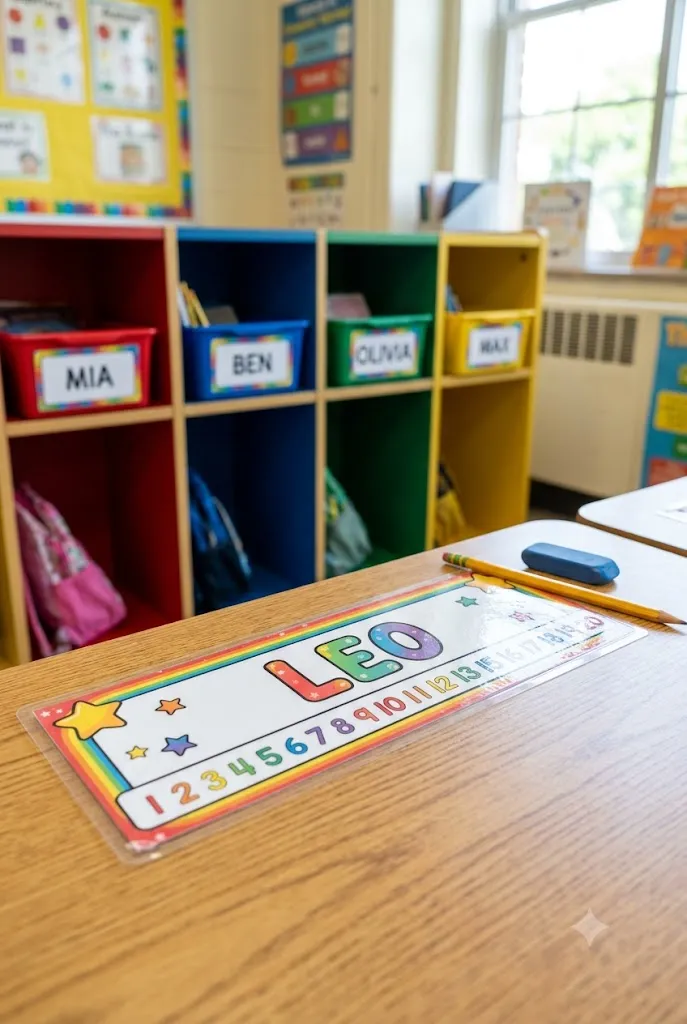
A name tag at each desk, whether laminated paper or a printed label, helps students find their seat quickly, especially at the start of the year or after a seating change. Adding a small visual, like a counting line or an alphabet strip, turns the tag into a quick reference tool as well as a decoration.
Laminating these means they survive spills and general wear far better than plain paper.
11. Color-Coded Cubby Labels
Assigning each student a cubby with a labeled color or pattern makes it easy for even young students to find their own space without needing to read a full name. This system also helps substitute teachers or classroom helpers quickly figure out where things belong.
Keep the color assignments consistent with any other color-coded systems in the room, like folder colors, for an extra layer of organization.
12. Fabric-Covered Storage Bin Makeover
Covering plain plastic storage bins with fabric or coordinating patterned paper is a simple way to make classroom storage feel more intentional rather than mismatched. This works especially well for open shelving where storage bins are visible all day rather than tucked out of sight.
A cohesive color scheme across all your bins makes even a cluttered supply shelf look far more put-together.
13. Desk Supply Caddy Labels
Labeling shared supply caddies — pencils, scissors, glue — with both words and simple icons helps students return items to the right spot, even before they’re strong readers. This small step cuts down significantly on lost supplies and end-of-day cleanup time.
Clear labels also make it obvious at a glance when a caddy is running low and needs restocking.
Door & Entrance Classroom Decorations Ideas
The classroom door is often the very first thing students and parents see, making it one of the highest-impact spots to decorate.
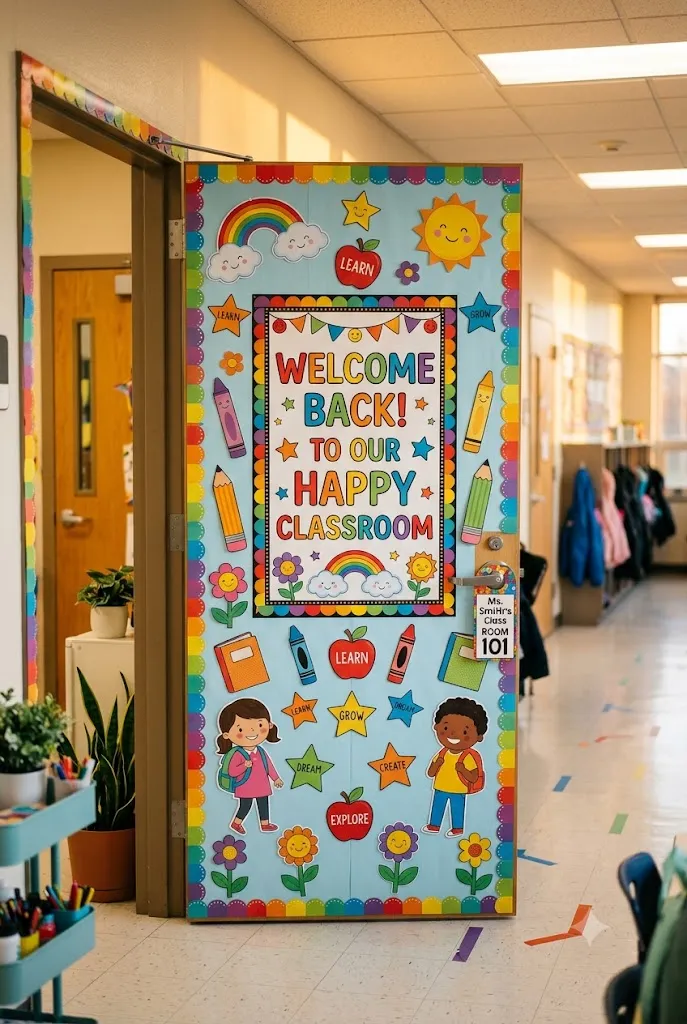
14. Themed Welcome Door Display
A door decorated around a simple, welcoming theme — like a “welcome aboard” nautical design or a growing garden — sets a friendly first impression before students even step inside. Keep the design simple enough to put up in an hour or two, since elaborate door displays tend to get skipped when time runs short.
This is also one of the easiest displays to photograph for a classroom newsletter or first-day social media post.
15. Student Photo Border Around the Door
A simple border of individual student photos framed around the classroom door helps build a sense of belonging right from the first week. This works especially well early in the year, before students have much other work up on the walls yet.
Swap in updated photos partway through the year if you want to keep the display feeling current.
16. Interactive “What We’re Learning” Door Sign
A small sign or pocket chart by the door showing the current unit or topic gives parents and visitors an easy way to see what’s happening in the classroom at a glance. Update it weekly or with each new unit so it stays accurate and genuinely useful, not just decorative.
This is also a helpful reference for substitute teachers stepping in for a day.
Welcome & Classroom Decorations Community Ideas
Beyond individual displays, a few classroom-wide touches help build the sense of community that carries through the whole year.
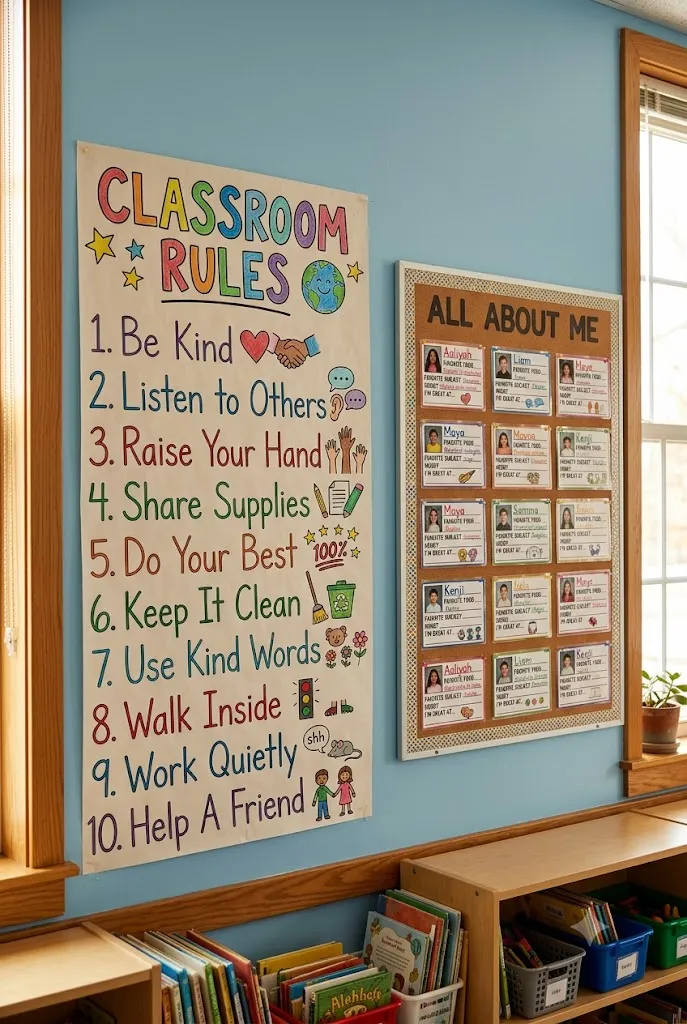
17. Classroom Rules Poster (Student-Created)
Having students help design or contribute to the classroom rules poster, rather than presenting a pre-made list, tends to build more genuine buy-in than rules that are simply handed down. Even young students can contribute a drawing or a suggestion that gets incorporated into the final display.
This poster also becomes a useful, low-pressure reference point throughout the year when reminders come up.
18. “All About Me” Getting-to-Know-You Wall
A wall where each student contributes a small profile — favorite color, hobby, a fun fact — helps classmates learn about each other quickly during the first weeks of school. This is especially valuable in classes where students are meeting for the first time or coming from different previous classrooms.
Leave room to add new students throughout the year if your class composition changes.
19. Birthday & Celebration Display
A simple display tracking student birthdays, whether it’s a bulletin board calendar or a small hanging banner, gives the classroom an easy way to mark small celebrations throughout the year. This is a small touch, but it consistently means a lot to students, especially younger ones.
Include a simple system for summer birthdays too, so no student feels left out of the celebration.
Related : Back to School Ideas: Your Complete Guide for an Organized, Stress-Free School Year
Frequently Asked Questions
How much should a teacher spend on classroom decorations?
There’s no fixed rule, but many teachers find that a modest budget focused on a few key areas — like the reading corner and the main bulletin board — goes further than spreading a small budget thin across the whole room. Reusable, laminated materials and dollar-store finds can significantly stretch whatever budget you’re working with.
What classroom decorations actually help students learn (not just look nice)?
Decorations that double as functional tools — word walls, labeled storage, visual schedules, “what we’re learning” signs — tend to support learning far more than purely decorative pieces. The best classroom decor usually serves two purposes at once: it looks intentional and it actively helps students navigate their day.
How do I decorate a classroom on a tight budget?
Reusing materials from previous years, sourcing supplies from dollar stores, and choosing projects that use basic craft materials rather than specialized tools all help keep costs down. Many of the ideas on this list, like the student work display line or fabric-covered bins, cost very little beyond materials you likely already have.
How often should classroom decorations be updated?
Core structural pieces, like desk labels and cubby tags, generally only need updating once or twice a year, while rotating elements like bulletin board centers or the “currently reading” wall work best refreshed every few weeks. Building in a few easily swappable displays from the start makes ongoing updates far less time-consuming.
What decorations work well for shared or multi-grade classrooms?
Neutral, flexible displays — like a pegboard wall, labeled storage bins, or a rotating bulletin board base — tend to work best in shared spaces, since they can be adapted without a full redo between groups. Avoiding decor tied too closely to one specific age group or subject also makes transitions between classes or teachers much smoother.
Final Thoughts
Great classroom decoration isn’t about covering every wall or spending a fortune before the first day — it’s about choosing a handful of intentional spaces that make the room feel welcoming and functional at the same time. Working through this list by area, rather than trying to decorate everything at once, makes the whole process far more manageable.
Start with whichever space matters most to you and your students, whether that’s a cozy reading corner or a display line to celebrate finished work, and build outward from there. The rest of the room will come together as the year goes on.